Why Quasynergy LLC Exists
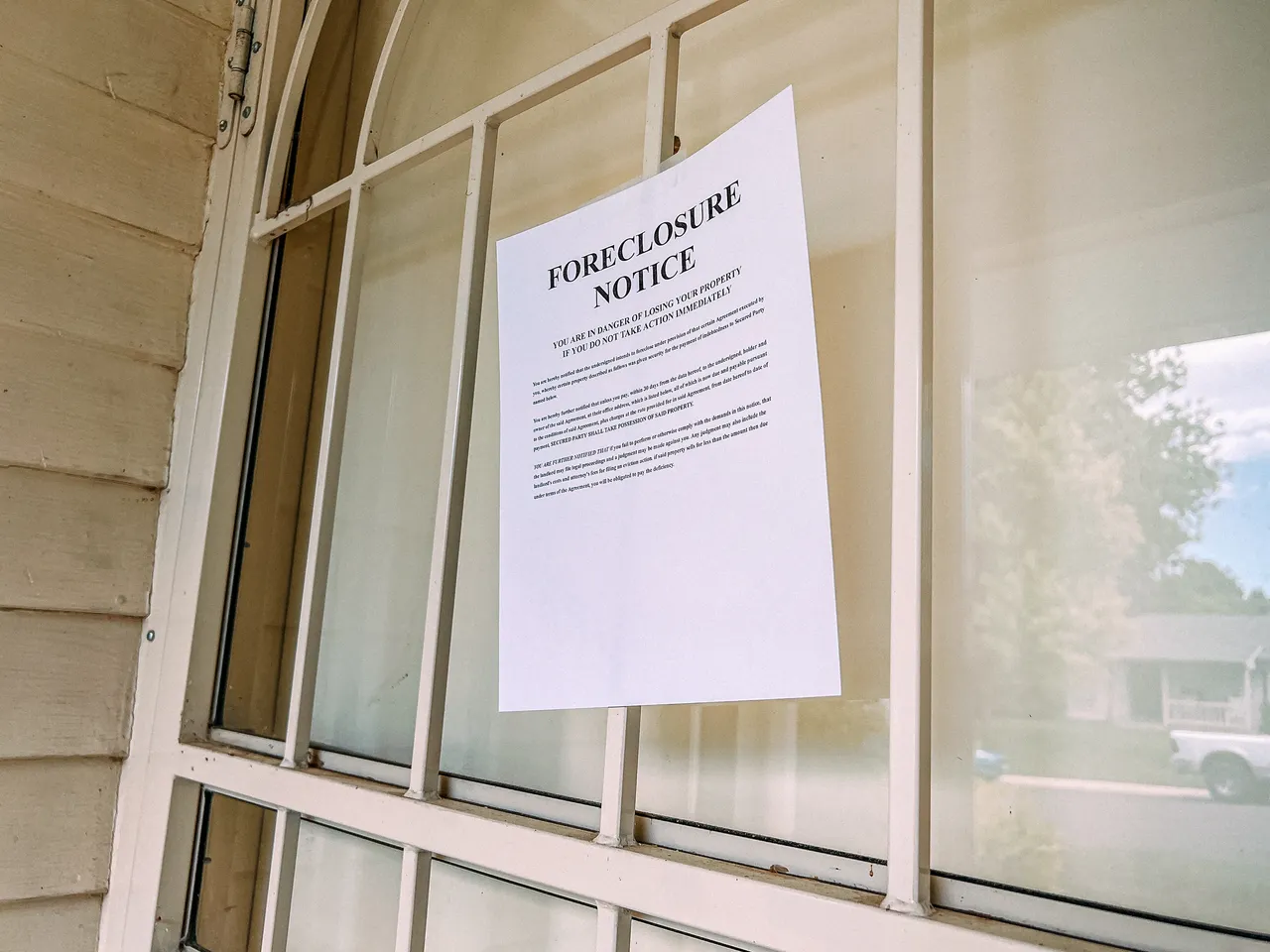
Navigating the Emotional Aftermath of Foreclosure
Foreclosure can leave a lasting emotional impression on homeowners, often creating an overwhelming mix of stress, uncertainty, and financial strain. Many individuals facing such situations in communities like Roswell, Georgia, experience not only a loss of property but also an erosion of confidence and security. This introduction delves into the complex emotional landscape that follows foreclosure, offering insights into the challenges that homeowners confront during this difficult transition.
Understanding this emotional turmoil is essential for building a solid foundation for recovery. In this guide, you will learn about:
- Identifying Emotional Triggers: Recognize signs of anxiety and depression linked to foreclosure.
- Effective Coping Strategies: Practical tips like mindfulness practices and structured planning to help manage stress.
- Actionable Steps: How to organize financial records and prepare for legal proceedings, ensuring that vital surplus funds are not overlooked.
By breaking down both the emotional and practical dimensions of foreclosure recovery, this section provides a roadmap for homeowners seeking clarity and empowerment. Whether you’re just beginning to navigate this challenging phase or looking for strategies to maintain your well-being, the following insights will help you build resilience and turn uncertainty into informed action.
Uncovering the Unseen Inequity in Foreclosure Surplus Funds
Foreclosure processes often leave behind surplus funds that are mistakenly overlooked, creating a hidden injustice for homeowners across regions like Roswell, Georgia. When a property is foreclosed and auctioned, any extra money is meant to be returned to the rightful owner. However, complicated legal procedures and insufficient public awareness can prevent many from claiming these funds. The situation becomes even more alarming when homeowners face bureaucratic hurdles and overwhelming documentation requirements.
Key factors contributing to this issue include:
- Overly Complex Procedures: Intricate legal language and extensive paperwork can deter even the most diligent homeowners.
- Lack of Clear Communication: Vital information is sometimes buried in overly technical documents or scattered across various authorities.
- Local Regulatory Challenges: Areas with unique legal nuances may inadvertently complicate the claims process.
Understanding the root causes behind these challenges is essential. By breaking down the process into manageable steps—collecting proper documentation, clarifying the legal terms, and being mindful of regional regulations—homeowners can tackle the system head-on. Empower yourself with clear, actionable steps to navigate this financial labyrinth and ensure that every dollar meant for you is successfully reclaimed.
Elevate Your Process With the TRIP Framework
In today’s competitive landscape, developing a methodical approach anchored in the TRIP framework—Transparency, Research, Integrity, and Precision—can transform operational success. This strategy encourages a disciplined mindset that prioritizes open communication and meticulous documentation, ensuring that every step taken is clear and verifiable. By adopting transparency, individuals and organizations alike foster trust among stakeholders, paving the way for smoother transitions when managing intricate processes like surplus fund recovery or financial audits.
Emphasizing research equips you with the necessary data and local insights, which is especially beneficial in regions with distinct regulatory environments, such as Florida, Texas, Georgia or Michigan. Integrity sets the foundation for ethical decision-making, ensuring that processes remain fair and just while precision drives a focused attention to detail critical in record keeping and compliance.
Key action points include:
- Documenting processes thoroughly.
- Regularly updating knowledge on local regulations.
- Maintaining clear communication among teams.
- Implementing systematic checks for accuracy.
This TRIP-based approach not only streamlines operations but also positions you to address complex challenges with confidence and clarity, ultimately enhancing overall outcomes in your operational endeavors.File your Free Claim Review Today!
Empowering Financial Recovery Through a Client-First Approach
When navigating the challenges of financial recovery after foreclosure, a clear mission and focus on clients becomes essential. This section explores a client-first mindset that drives innovative solutions in foreclosure surplus recovery. By prioritizing the unique needs of homeowners, a client-focused model ensures each individual receives tailored support through an often-complicated legal landscape.
A strategic approach is built on:
- Transparent Communication: Simplifying legal processes with clear, jargon-free explanations.
- Personalized Guidance: Offering step-by-step advice to help you compile critical documentation.
- Local Insights: Leveraging regional understanding, such as the nuances of Roswell, Georgia, to navigate specific regulatory requirements.
- Actionable Steps: Breaking down processes into manageable tasks that empower you to meet crucial deadlines.
This commitment to a client-first philosophy extends beyond standard service—it transforms complex recovery challenges into clear, achievable objectives. By focusing on detailed, practical advice and local regulatory compliance, the process becomes more accessible and less overwhelming. Ultimately, the goal is to ensure that every homeowner can confidently pursue what is rightfully theirs, turning potentially daunting financial recovery into a well-supported, clear path forward.
Frequently Asked Questions About Starting a Claim and the Surplus Recovery Process
How do I determine if surplus funds are available?
Begin by reviewing foreclosure or auction documents for any indication of excess proceeds. Check for notes on leftover amounts, which may signal assets available for recovery.
What documentation should I prepare for my claim?
Compile key records such as foreclosure notices, property deeds, and financial statements. Organized documentation helps verify eligibility and supports your surplus recovery efforts.
How can local regulations impact the process?
Local jurisdictions like Roswell, Georgia, often have unique filing deadlines and procedural nuances. It’s important to understand these regional differences to avoid processing delays.
What steps should I follow to file a claim successfully?
A clear process can include:
- Collecting all necessary paperwork.
- Verifying accuracy and completeness of records.
- Submitting your claim within local deadlines.
What common challenges might arise during surplus fund recovery?
Common issues include incomplete documentation, missed deadlines, and complex legal language. Addressing these early by reviewing requirements carefully can make the process more manageable.
Is professional guidance necessary?
While many navigate this process independently, consulting an expert familiar with local practices and surplus fund recovery guidelines can offer additional clarity and support.
Wrapping Up Your Claim Journey
As you conclude this guide, take a moment to review the essential steps for reclaiming your surplus funds and overcoming claim challenges. A well-organized approach can simplify the process and ensure no critical detail is overlooked. Here are key actions to consider:
- Document Preparation: Gather all relevant paperwork, including foreclosure notifications, financial records, and property deeds.
- Local Insights: Leverage community-specific knowledge, particularly in areas like Florida, Texas, Georgia, or Michigan where regional nuances may impact your claim.
- Timeline Management: Organize a clear schedule to meet filing deadlines and stay updated with local regulatory changes.
- Professional Guidance: When needed, consider professional advice to navigate intricate legal procedures and documentation requirements.
By methodically following these steps, you empower yourself to take control of your financial recovery. Each organized measure not only strengthens your surplus claim but also builds confidence for future challenges. Now is the ideal time to convert your newfound understanding into practical action. Take that crucial first step and begin your claim process today. Empowered by clear strategies and local expertise, your journey towards reclaiming what is rightfully yours is just a call away. Take action now and request a 30 consultation via Zoom today!